

Keeping up with the trends?
From proteinmaxxing to celebrating sea veggies - this week, I'm all about being a kitchen hipster


There are always food trends around, and pundits telling us what’s trending, what we should be eating, and why. I try to follow the trends, as I’ve spent chunks of my freelance writing career as a food writer…
I think the loudest force in food right now is protein, (there’s a lot on social media about ‘proteinmaxxing’) and vegan food is being pulled into that conversation hard.
What’s changing is not simply the existence of plant protein, but its role: it’s no longer framed as a compromise or a specialist nutrition product. It is being folded into mainstream breakfasts, ready meals, drinks, desserts and snacks, partly because the wider market has become obsessed with satiety, muscle support and “getting enough protein.”
Whey protein is common and popular, derived from the watery gloop that comes off cheese, then processed and sold off cheap. But soy protein is a great all rounder, and has nothing to do with the hideous dairy industry.
The more interesting shift is that protein is becoming more culinary. Instead of everything trying to resemble a burger, we are seeing tofu, tempeh, beans, lentils, peas, chickpeas and even mushrooms being celebrated for what they are. Ah, it’s like my teenage years all over again.
This makes food feel less like a laboratory impersonation and more like a real cuisine. The future-facing version of vegan protein is not only the gym shake; it’s black chickpea stew, smoky tempeh sambal rice bowl, broad bean spread, silken tofu custard.
Two recipes that shine in this trend
Tempeh sambal rice bowl – Indonesia meets modern meal prep
Steam tempeh cubes, then pan-fry until golden. Toss with a sambal made from chillies, garlic, shallot, tamarind and a little palm sugar. Serve over red rice with cucumber, wilted greens, peanuts and lime. Protein-rich, punchy and far more exciting than a chunk of murdered chicken.
Ingredients
For the bowl
200g tempeh, cut into bite-sized cubes
150g red rice
1 small cucumber, sliced or cut into half-moons
2 large handfuls greens such as spinach, pak choi or kale
2 tbsp roasted peanuts, roughly chopped
1 lime, cut into wedges
1 tbsp neutral oil, for frying
For the sambal
3 red chillies, roughly chopped (or less, or more, to taste)
2 garlic cloves
1 shallot, roughly chopped
1 tsp tamarind paste
1 tsp palm sugar, or soft brown sugar
1 tbsp soy sauce or tamari
1 tbsp neutral oil
2–3 tbsp water, as needed
Pinch of salt
Preparation
Rinse the red rice, then cook it according to the packet until tender. Red rice often takes around 30–40 minutes, so get this on first.
While the rice cooks, place the tempeh cubes in a steamer or heatproof sieve set over simmering water and steam for 10 minutes. This helps soften any bitterness and lets the tempeh absorb more flavour.
To make the sambal, blend or pound together the chillies, garlic and shallot into a rough paste. Heat 1 tablespoon of oil in a small pan over a medium heat and fry the paste for 2–3 minutes until fragrant. Stir in the tamarind, palm sugar and soy sauce, then add a splash of water to loosen it. Simmer for another minute or two until thick, glossy and punchy. Taste and add a pinch of salt if needed.
Heat 1 tablespoon of neutral oil in a frying pan over a medium-high heat. Fry the steamed tempeh cubes for 5–7 minutes, turning regularly, until golden on all sides. Lower the heat, add the sambal and toss well so the tempeh is coated.
In the last minute or two, wilt the greens in a separate pan with a tiny splash of water, or simply stir them into the hot rice or tempeh pan briefly until softened.
To serve, divide the red rice between bowls and top with the sambal tempeh, cucumber, greens and chopped peanuts. Squeeze over fresh lime just before eating.
Kala chana and spinach stew with roasted cumin
Cook black chickpeas (kala chana) until tender, then simmer with onions, tomatoes, ginger, garlic, cumin, coriander and plenty of spinach. Finish with lemon and fresh coriander. Eat with brown basmati or millet. It is sturdy, earthy and quietly muscular. NOTE — soak your chickpeas overnight!
Ingredients
200g dried kala chana, soaked overnight
2 tbsp oil
1 tsp cumin seeds
1 large onion, finely chopped
3 garlic cloves, finely chopped or crushed
1 tbsp fresh ginger, grated
2 medium tomatoes, chopped, or 200g chopped tinned tomatoes
1 tsp ground coriander
1/2 tsp turmeric
1 tsp roasted cumin powder
1 tsp salt, or to taste
500–700ml water
200g spinach
Juice of 1/2 to 1 lemon
Small handful fresh coriander, chopped (if you like it)
Preparation
Drain the soaked kala chana and rinse well. Put them in a pan with plenty of fresh water, bring to the boil, then simmer until tender. This may take 60–90 minutes, depending on the chickpeas. You can also pressure cook them for around 25–35 minutes. Drain, reserving a little of the cooking liquid if you like.
Heat the oil in a large pan over a medium heat. Add the cumin seeds and let them sizzle for a few seconds, then add the onion. Cook for 8–10 minutes until soft and golden. Add the garlic and ginger and cook for another minute.
Add the tomatoes, ground coriander, turmeric, roasted cumin powder and salt. Cook for 5–7 minutes, stirring now and then, until the tomatoes break down and the mixture becomes thick and fragrant.
Add the cooked kala chana and 500ml water. Stir well and simmer for 10–15 minutes so the chickpeas absorb the flavours. Add a little more water if you want a looser, brothier stew.
Stir in the spinach and cook for another 2–3 minutes until wilted. Finish with the lemon juice and chopped fresh coriander. Taste and adjust the salt, lemon or cumin if needed.
Serve hot with brown basmati rice or millet.

Ingredient-led, clean-label vegan food
Another trend I’m noticing is the move away from long-ingredient-list products toward food that looks and sounds more legible. Trend reports call this ‘clean-label’, but in practice it means people want vegan food that feels recognisable: beans, oats, tahini, mushrooms, cashews, sesame, lentils, aubergines, rice, seaweed.
While transparent sourcing (where the stuff comes from) and ingredient-led creativity are important, I think there’s just a broader consumer desire for simpler, more honest, nutrient-dense formulations.
This is partly nutritional, partly emotional. People want food that appears less industrial and more rooted in actual cooking. That does not mean every vegan wants to churn oat milk by moonlight or denounce all processing. It means the glamour has shifted. Certainly, to me, a lentil walnut pâté feels more desirable than an aggressively engineered faux charcuterie board.
A charred cabbage wedge with tahini and dukkah feels more modern than a meatless “steak.” (Having said that, restaurants serving half a baked cauliflower for £23 can fuck right off). I’ve always argued for simplicity, and done well in a restaurant setting, simplicity shows culinary confidence.
Two recipes that shine in this trend
Roasted cabbage with tahini, lemon and dukkah
Cut a good, big cabbage into thick wedges, roast until the edges darken and sweeten, then spoon over tahini loosened with lemon juice and warm water. Scatter dukkah and parsley on top. I don’t think this should be a hero on the plate, but it’s a fancy side.
Ingredients
1 large green or white cabbage
2 tbsp olive oil
Salt & black pepper
For the tahini dressing
3 tbsp tahini
Juice of 1 lemon
3–5 tbsp warm water
Pinch of salt
To finish
2–3 tbsp dukkah, or finely chopped roasted nuts, if you can’t get it/ make it
Small handful flat-leaf parsley, chopped
Preparation
Heat the oven to 220°C. Cut the cabbage into thick wedges, keeping a little of the core intact so they hold together. Lay on a baking tray, brush with olive oil, and season with salt and pepper.
Roast for 25–35 minutes, turning once if needed, until tender and dark at the edges.
Mix the tahini, lemon juice, warm water and a pinch of salt until smooth and spoonable.
Arrange the cabbage on a serving plate. Spoon over the tahini dressing, then scatter with dukkah and parsley.
Italian white bean and fennel braise
Soften fennel, garlic and onion in olive oil, add canellini beans, rosemary, lemon zest and a splash of stock, then braise until silky. Finish with pepper and parsley. Spoon over toasted sourdough. A small ingredient list, rich with depth.
Serves 3–4
Ingredients
2 tbsp olive oil
1 large fennel bulb, sliced
1 onion, sliced or finely chopped
3 garlic cloves, sliced or chopped
2 x 400g tins cannellini beans, drained and rinsed
1 tsp chopped rosemary, or 2 small sprigs
Zest of 1 lemon
150ml vegetable stock
Salt
Black pepper
Small handful flat-leaf parsley, chopped
To serve
4 slices sourdough, toasted
Preparation
Heat the olive oil in a wide pan. Add the fennel and onion and cook gently until soft and lightly golden.
Add the garlic and cook for a minute, then stir in the beans, rosemary, lemon zest and stock. Season with salt and pepper.
Simmer gently for 10–15 minutes, until silky and slightly reduced.
Finish with parsley and extra black pepper. Spoon over toasted sourdough and serve warm.
If you’re enjoying this, hurrah! I spend ages thinking about recipes, cooking stuff, and working out how to make cheap, tasty, accessible vegan food every week. And I’ve vowed to always keep the posts free and open. But you can support me with a virtual coffee, over at ko-fi.com/willrankin. Go on!
Fermentation, gut health and tang
I’ve been wittering about pickles and ferments these past two weeks, and I’m having a break from it this week - but plant-based food is also getting more alive, literally and metaphorically.
Trend sources point to wellness moving beyond protein into fibre, digestion and broader wellbeing, while chefs and product developers are leaning into fermented notes that make vegan food taste more layered and less flat.
This matters because fermentation solves more than one problem at once. It boosts complexity, gives brightness and depth, helps plant-rich food feel more satisfying, and connects modern vegan eating to some of the oldest food traditions on earth. Kimchi, miso, achar, dosas, idli, tempeh, sauerkraut, injera and pickled greens are not trends invented by lifestyle marketing; they are enduring ways to create flavour - and survival.
I reckon vegan food is now rediscovering that inheritance and using it more confidently.
Two recipes that shine in this trend
Miso aubergine with sesame soba
Roast or grill halved aubergines brushed with miso, mirin and a little maple or sugar until glossy and tender. The miso does the heavy lifting, bringing salt, sweetness and deep savoury character.
Serves 2
Ingredients
2 medium aubergines
2 tbsp white or brown miso
1 tbsp mirin
1 tsp maple syrup or sugar
1 tsp sesame oil
120–150g soba noodles
2 spring onions, sliced
1 tsp sesame seeds
2 handfuls greens such as spinach or pak choi
Preparation
Heat the oven to 220°C.
Halve the aubergines lengthways and score the cut sides. Mix the miso, mirin, maple and sesame oil, then brush over the aubergines.
Roast for 25–30 minutes, until soft and glossy.
Cook the soba noodles, then wilt the greens briefly in a pan or in the hot noodle water.
Serve the aubergines with the soba, greens, spring onions and sesame seeds.
Kimchi pancake with tofu dipping sauce
Make a batter from flour, chickpea flour and water, fold in chopped vegan kimchi and spring onions/ scallions then fry until crisp-edged. It is tangy, hot, comforting and brilliantly unfussy.
Serves 2
Ingredients
For the pancake
75g plain flour
50g chickpea flour
160–180ml water
150g vegan kimchi, chopped (I use my partner’s pull choppy thing, it’s great)
2 spring onions, sliced
2 tbsp oil, for frying
For the dipping sauce
100g silken tofu
1 tbsp soy sauce
1 tbsp rice vinegar
1 tsp sesame oil
Preparation
Whisk the plain flour, chickpea flour and water into a batter. Stir in the kimchi and spring onions.
Heat the oil in a frying pan and pour in the batter. Cook for 3–5 minutes on each side, until crisp and golden.
Blend the tofu, soy sauce, rice vinegar and sesame oil until smooth.
Slice the pancake and serve hot with the dipping sauce.

Global regional flavours, not bland “international vegan”
One of the strongest shifts I’ve seen in plant-based food is that it is becoming more geographically specific. Instead of generic “Asian-inspired” or “Mediterranean-style” menus, foodservice reports point to global flavour as a major driver, and the better versions of this trend are less fusion-for-fusion’s-sake than a rediscovery of regional plant traditions.
That is good news because vegan food becomes far more interesting when it stops pretending the world invented flavour in California in 2017. Many of the most exciting vegan dishes already existed, or almost existed, across India, Ethiopia, the Levant, the Caribbean, Mexico, Thailand, Georgia and parts of China.
The imaginative move now is not to flatten those traditions into a trendy bowl, but to cook with more respect for local spices, textures, grains, herbs and condiments. The best vegan food of the moment often tastes like somewhere.
Two recipes that shine in this trend
Ethiopian misir wot with cabbage and injera-style flatbread
Cook red lentils with berbere spice mix, onions, garlic and tomato until soft and brick-red. Serve with turmeric cabbage, greens and a sour flatbread or proper injera if you have it. It is fiery, tangy, communal and plant-based without trying to be anything else.
Serves 3–4
Ingredients
For the misir wot
200g red lentils
2 tbsp oil
1 large onion, finely chopped
3 garlic cloves, chopped
2 tbsp berbere spice mix
2 tbsp tomato purée
700ml water
Salt
For the cabbage
1/2 green cabbage, shredded
1 tbsp oil
1/2 tsp turmeric
Salt
To serve
Cooked greens and Injera (Ethiopian teff flour bread) or flatbread
Preparation
Rinse the lentils.
Cook the onion in oil until soft. Add the garlic, berbere and tomato purée and cook for a minute or two.
Add the lentils, water and salt. Simmer for 20–25 minutes, stirring now and then, until soft and thick.
For the cabbage, cook the shredded cabbage in oil with turmeric and a little salt until tender.
Serve the misir wot with the cabbage, greens and injera or flatbread.
Mexican corn chowder with epazote-style herbs
Simmer sweetcorn, potatoes, garlic and onion, then fold in courgette ribbons, and fresh herbs. Finish with lime and toasted pumpkin seeds. It feels both delicate and abundant, which is a lovely trick.
Ingredients
1 tbsp oil
1 onion, chopped
2 garlic cloves, chopped
400g potatoes, peeled and diced
400g sweetcorn
750ml vegetable stock
1 courgette, shaved into ribbons
Small handful of fresh coriander or parsley, chopped, with a pinch of oregano (to mimic Mexican epazote)
Juice of 1 lime
2 tbsp pumpkin seeds
Salt
Black pepper
Preparation
Heat the oil and soften the onion and garlic.
Add the potatoes, sweetcorn and stock. Season, then simmer for 15–20 minutes, until the potates are tender.
Stir in the courgette ribbons and cook for 1–2 minutes.
Finish with the fresh herbs and lime juice.
Toast the pumpkin seeds in a dry pan, then scatter them over the chowder to serve.
Comfort food, reimagined through plants
A lot of trend reporting now points to comfort food with a plant-forward twist. This is not austere wellness food; it is food designed to soothe, indulge and reassure, but without leaning automatically on meat and dairy.
There’s also a cultural mood behind this. When times feel unstable, people want warmth, memory and softness. Vegan food is responding not by becoming saintly, but by becoming emotionally literate. Think shepherd’s pie, creamy dals, stuffed breads, silky rice puddings, loaded baked potatoes, black sesame desserts, dumplings and fried things with bright sauces. Comfort food is back, but it has learned how to use chickpeas, oats, mushrooms and cabbage with panache.
Two recipes that shine in this trend
Mushroom and lentil shepherd’s pie
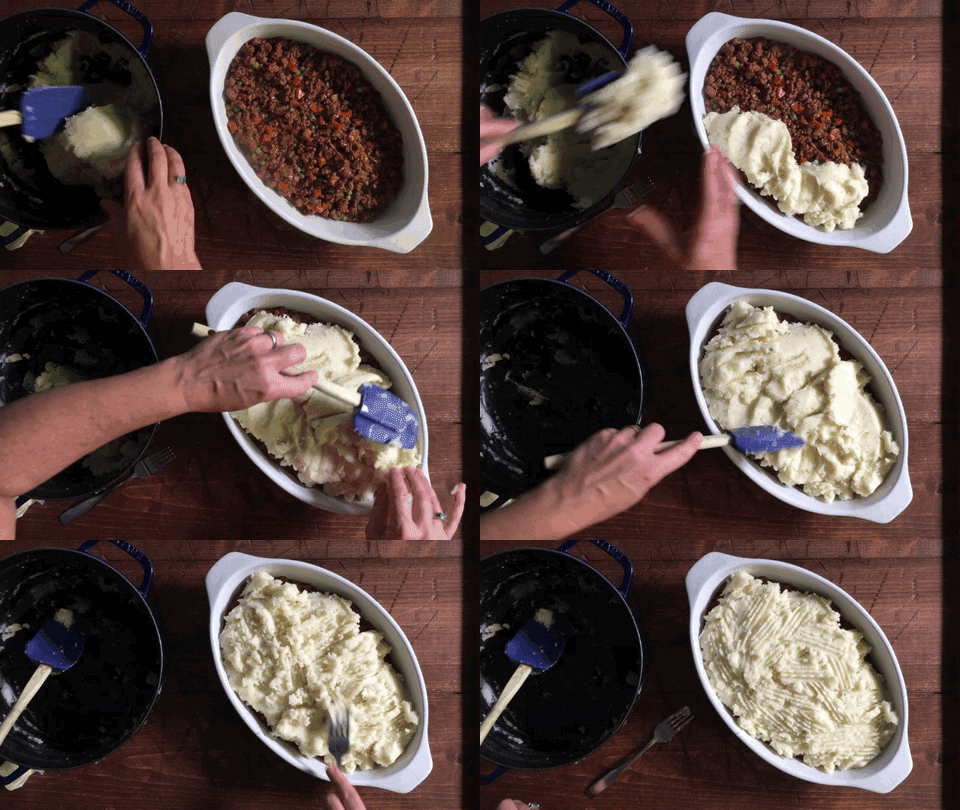
Cook brown lentils with onions, carrots, celery, thyme and a heap of finely chopped mushrooms until deeply savoury. Top with mustardy mashed potatoes and bake until bronzed. It is cosy, familiar and deeply satisfying without impersonating meat too hard.
Serves 4
Ingredients
For the filling
2 tbsp olive oil
1 onion, chopped
2 carrots, diced
2 celery sticks, diced
250g mushrooms, finely chopped
150g brown or green lentils
1 tsp thyme
2 tbsp tomato purée
500ml vegetable stock
Salt
Black pepper
For the topping
700g potatoes, peeled and chopped
1 tbsp olive oil or vegan butter
1 tsp mustard
Salt
Black pepper
Preparation
Heat the oven to 200°C.
Cook the onion, carrot and celery in the oil until soft. Add the mushrooms and cook until reduced.
Stir in the lentils, thyme, tomato purée and stock. Season and simmer for 25–30 minutes, until thick and savoury.
Meanwhile, boil the potatoes until tender. Mash with the olive oil or vegan butter, mustard, salt and pepper.
Spoon the filling into a baking dish, top with the mash, rough up the surface with a fork, and bake for 20–25 minutes, until golden.
Loaded baked sweet potatoes with black beans, salsa macha and lime crema
Bake sweet potatoes until collapsing, split them open and load with black beans, shredded cabbage, salsa macha, pickled onions and a lime-cashew crema. It is comfort food that still crackles with acid and heat.
Serves 4
Ingredients
4 medium sweet potatoes
1 x 400g tin black beans, drained and rinsed
1/4 small red cabbage, finely shredded
2–3 tbsp salsa macha
2 tbsp coriander, chopped
Salt
Lime wedges, to serve
For the pickled onions
1 red onion, thinly sliced
Juice of 1 lime
Pinch of salt
For the lime crema
75g cashews, soaked for 30 minutes or longer
Juice of 1 lime
3–4 tbsp water
Salt
Preparation
Heat the oven to 220°C.
Bake the sweet potatoes for 45–60 minutes, until very soft.
Toss the red onion with lime juice and salt, and leave to pickle while the potatoes bake.
Blend the cashews with lime juice, water and a pinch of salt until smooth.
Warm the black beans in a small pan and season lightly.
Split open the sweet potatoes and fill with black beans, shredded cabbage, pickled onions, salsa macha and lime crema. Finish with coriander and serve with lime wedges.
Mushrooms, sea vegetables and other savoury “new old” ingredients
A more intriguing trend is the rise of ingredients that bring savouriness, texture and nutritional intrigue without relying on old-school fake meat formats. The Vegan Society points to mushroom protein and precision-related developments, while broader trend coverage shows chefs and brands reaching for earthy, oceanic, umami-rich ingredients that make plant-based food feel more grown-up.
What makes this trend compelling is that many of these ingredients are not really new at all. Mushrooms, seaweeds, black sesame, fermented bean products and lesser-used greens have long histories in many cuisines. What’s new is their migration into mainstream vegan menus as stars rather than side notes. A mushroom can now be smoky, shredded, grilled, lacquered or turned into a pâté; sea vegetables can season broths, butter beans and rice; black sesame can move from niche pantry item to café darling. It is a more textured, more mineral, more sensual kind of vegan eating.
Two recipes that shine in this trend
King oyster mushroom adobo
Slice king oyster mushrooms into thick coins or tear them into strips, then simmer in soy sauce, vinegar, garlic, bay leaves and black pepper until glossy and dark. Serve with rice and cucumber. The mushrooms go chewy and almost meaty, but the dish is really about the sharp-savoury adobo glaze.
Serves 2–3
Ingredients
300g king oyster mushrooms
2 tbsp neutral oil
4 garlic cloves, sliced
3 tbsp soy sauce
3 tbsp rice vinegar or cane vinegar
2 bay leaves
1 tsp black pepper
60ml water
Cooked rice, to serve
1/2 cucumber, sliced, to serve
Preparation
Slice the mushrooms into thick coins or tear them into strips.
Heat the oil in a pan and cook the mushrooms for a few minutes until lightly golden. Add the garlic and cook briefly.
Add the soy sauce, vinegar, bay leaves, black pepper and water. Simmer for 8–10 minutes, until dark and glossy.
Serve with rice and cucumber.
Seaweed butter beans with garlic, chilli and preserved lemon
Simmer butter beans with kombu or another edible seaweed, garlic and olive oil until infused and silky. Finish with chopped preserved lemon, chilli and parsley. It tastes coastal, briny and elegant, like a windswept pantry decided to show off.
Serves 3–4 as a side
Ingredients
2 tbsp olive oil
3 garlic cloves, sliced
1 small dried chilli, crumbled, or 1/2 tsp chilli flakes
1 strip kombu, or a small handful edible seaweed
2 x 400g tins butter beans, drained and rinsed
150ml water or light vegetable stock
1–2 tbsp preserved lemon, finely chopped
2 tbsp parsley, chopped
Black pepper
Preparation
Heat the olive oil in a pan and gently cook the garlic and chilli for a minute.
Add the seaweed, butter beans and water or stock. Simmer gently for 10–15 minutes, until silky and infused.
Remove the kombu if using a large strip. Stir in the preserved lemon and parsley, add black pepper, and serve warm.