

Fast, flavour-forward pickles from around the world
You needn’t get in a pickle over pickling — it’s fast, easy and really good for you


Now, recipe, food and cookery books are porn for me, but I don’t expect you to rush out and buy something like “The Joy of Pickling: (300 Flavor-Packed Recipes for All Kinds of Produce from Garden or Market)” by Linda Ziedrich, just to get your head around bunging a bit of salt and vinegar on some veg.
By all means do rush out and buy it, though, if you’re that way inclined, like me, and it’s certainly a great book, packed with (300) great recipes. But as ever, I’ve done the work for you, dear reader. (I’ve got a copy).
The world of pickling and fermenting can seem a bit impenetrable to a newbie, you see. Full of sterile jars, special equipment and mysterious moulds, snotty lumps and things called ‘the mother’. I swear I can smell vinegar now - that’s the power of suggestion!
But like most kitchen stuff, it isn’t over complicated. Our ancestors didn’t have books, the internet or a constant AI companion to guide them on what to bung in a jar.
I honestly believe someone once ate some veg that they found in a dirty clay pot somewhere, and discovered it tasted amazing. Let’s praise that person, whoever they may be.
I’m not belittling thousands of years of culture (waves to kimchi) or belittling the amazing knowledge of good people like Linda Ziedrich, (see above) but you know, you don’t need much more than a jar or pot, some salt and vinegar, a bit of knowledge and only a smidge of patience.
I have a kitchen the size of a mousehole. I dream of having a pickling and fermentation room. A space dedicated to the mad things that happened to veggies and fruit when you leave them alone for a while…but until a kind soul gives me a farmhouse in Portugal, I’ll make do with my simple, quick recipes, happy in the knowledge that I can get some groovy, great tasting pickles the same day or overnight, with zero faffing about and no waiting for weeks, turning jars, and worrying about things exploding, or taking over the kitchen.
Below, you’ll find some exciting and interesting sounding pickles, from Mexican-inspired cebollas encurtidas via kimchi-style Korean cucumbers to a Vietnamese-style Đồ chua pickled carrot dish.
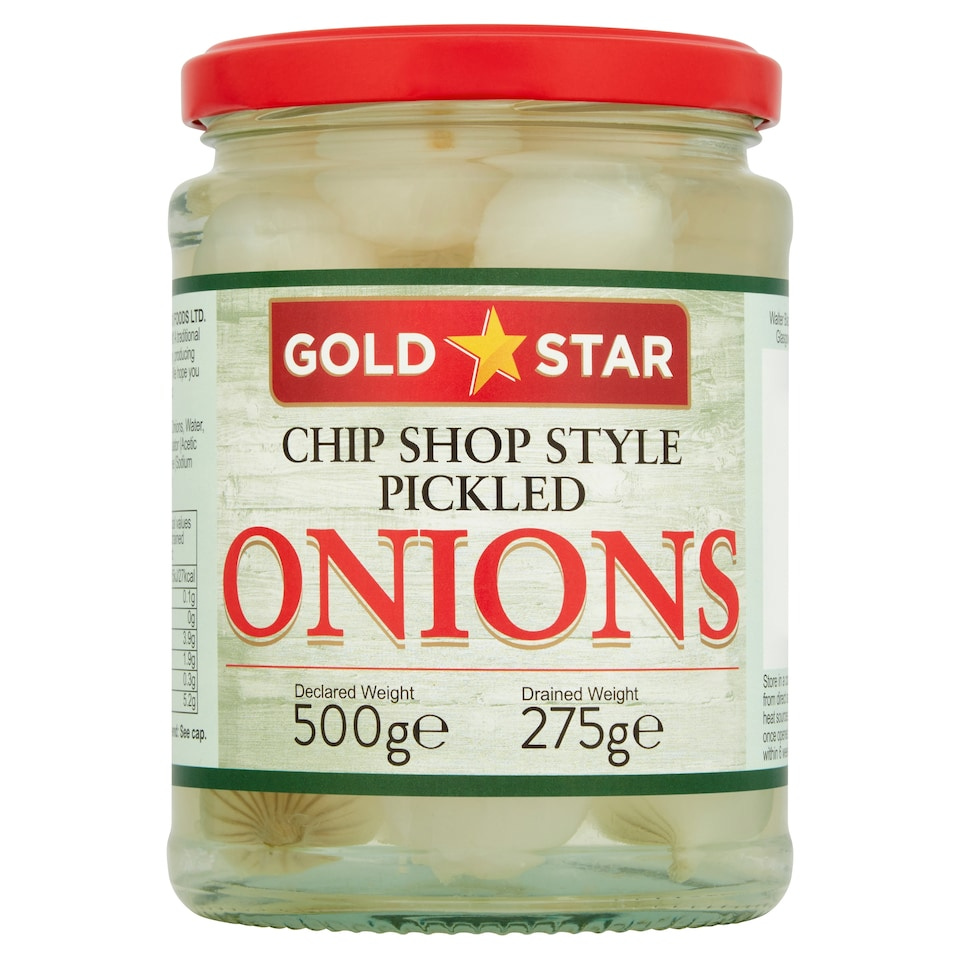
This sort of thing is up there with a good crisp sandwich, in my humble opinion
And all this from a bloke who still gets excited about supermarket own-label pickled onions at Christmas? I’m proud of myself! You can be too, in about ten minutes, after you’ve read through my not-secret pickling and fermenting secrets.
One of the greatest hacks I discovered is that you can create a ‘base pickle’ formula, with which you can pickle almost anything. Another hack, which I’m not sure is a good thing, wrong, or even bad for you, is to simply lob in thinly-sliced carrot, onion, cucumber, chunks of cauliflower etc, to the liquid remaining in a jar of shop bought pickles, and then forget them at the back of the fridge for a bit. Why not? It works! (Please feel free to tell me I’m a horrible person for doing this, and chefs are probably sharpening their pickled cucumbers ready to attack me, even as I type.)
The one-jar base pickle formula
Consider this your master template. Once you know how to make this, you can pickle any vegetable, anywhere.
The Base (for 1 medium jar)
· 2 cups veg, sliced/shaved/julienned
· 2–3 tbsp acid (vinegar or citrus)
· ½–¾ tsp salt
· 1–2 tsp sugar (optional, to taste)
· Flavourings (As you fancy/ can find in the cupboard/fridge, but I recommend spices, herbs, chilli, garlic, etc.)
Preparation
· Put the veg in a jar or bowl.
· Add salt and massage for 20–30 seconds. The veg, not your own shoulders.
· Add your chosen acid, sugar and flavourings.
· Press the veg down so it’s mostly submerged.
· Rest the veggies in their acid bath for 20–60 minutes (or overnight for deeper flavour).
· Refrigerate, then eat within 3–5 days.
That’s it! Now you’re a Picklemeister! However, there are a few…
Golden Rules

Mucking about with your pickle formula is all well and good, but there’s some other things you need to know, like not sticking a knife in the toaster…
· Thin cuts of veg make for a faster pickle
· Massaging the salt into your veg helps speed up the ‘pickling’ process
· It’s good practice to taste your pickling veg after 20 minutes, then adjust
· If it tastes flat, add a pinch more salt
· If it’s a but harsh, add a pinch of sugar
· If it seems a bit dull, add a dash more acid
Add all of the above in tiny amounts, you can always add more, buy you can’t take it out!
So, now you’ve got your base pickle recipe, and you’re armed with flavour tips and rules, how about getting a bit creative? This is why I’m often found muttering to myself in the kitchen at 2am.
Hey, help me spread pickle-based goodness around the world - share this newsletter with those suffering from a lack of pickles…
Global flavour swaps
Use the same base formula above – and simply swap the flavourings. If you’re like me, you’re a bit excited now.
Middle Eastern (Levant-style)
I’m lucky enough to live in London, where we have access to a wide variety of interesting pickles, but after nearly 20 years living in the Middle East, I don’t think you can beat good Lebanese pickles. And yes, I know that’s fighting talk. I’m also a fan of liteh, and you can’t beat the salty olive salad gunk that goes in a good southern muffaletta, either.
Anyway, to give your base pickles a Middle Eastern twang, simply add:
· Lemon juice
· Crushed garlic
· Allspice or seven-spice
· Bay leaf
Trust me, this goes great with cucumbers, turnips and carrots
Japanese quick tsukemono
I know, I know, I’m possibly butchering 2,000 years of Japanese vegetable pickling history, nuance and skill here, and I also know that some of these pickles can take a year to make, but I haven’t got time, and I’m hungry, ok? So, if you want something akin to the wonders of ‘tsukemono’ that doesn’t tsuk (bit of a laboured word play there, sorry), just add:
· Rice vinegar
· A pinch of sugar
· Some toasted sesame seeds…
And an optional splash of soy
Forgive the lack of exact measurements, but remember the taste-and-muck-about-after 20 minutes rule. This mix goes great with cucumber, radish or cabbage
Caribbean heat and tang
Sounds like a band to me, but this flavour combo mirrors Caribbean “escovitch” or “pepper pickle” styles, in my humble opinion. Escovitch has Colonial Spanish roots, but go deeper than that and you discover it actually has Moorish/Persian origins, deriving from the Persian dish sikbaj - a sweet-and-sour stew - which was brought to Spain in the 8th century. Anyway, grab your bammy, this is a little touch of Jamaica in your kitchen…
Just add:
· Lime juice
· Scotch bonnet (a tiny amount, if you’re like me, but hey, go bold if you like)
· Allspice
· Thyme
Great with red onion, cabbage, mango — and try it served it over a good piece of extra firm tofu.
Balkan vinegar pickle
Turshi are traditional pickled veggies from Southeastern Europe; crisp, sharp, and sour, designed to complement the savoury, often fatty, meat dishes of the region.
Just add:
· White wine vinegar
· Garlic
· Black peppercorns
· Bay leaf
Great with cabbage, cauliflower, peppers
Chinese-style sour-sweet
I’m not even going to get into the history here, other than to say when it comes to pickled stuff, you don’t mess with Chinese recipes, although that using little boys’ wee on eggs [just search for tong zi dan, if you’re interested] thing is a bit odd, to say the least.
Add:
Black vinegar or rice vinegar
Sugar
Ginger
Garlic
Great with cucumber, daikon, carrot
Thai, fresh & punchy
Like a Muay Thai match in your mouth, I love the flavour combo of anything labelled ‘Thai’, but sadly we need to avoid the fish sauce element. This is the sort of thing you make after a fortnight in Kho Phangan, after weeping at the woeful wilting ingredients in your local supermarkets. Go on, cheer yourself up with a pickle party….just add:
Lime juice
Fish sauce substitute / light soy (I’m getting pickle-vat deep into too many segues here, I feel, but you can make an ‘adequate’ fish sauce substitute at home by simply simmering 1/2 cup soy sauce, 1/4 cup water, 1 tbsp rice vinegar, 1 tsp seaweed (wakame), and 1/2 tsp sugar, then strain it, putting it in a jar and labelling it ‘Not-Fish Sauce’ or something. It’s just umami you’re after, you see.)
Palm or brown sugar
Chilli
Great with carrot, green papaya, cabbage
Goan-inspired (quick toddy-style)
I had to slip this one into the mix, as I’m here in Goa until March, and just before writing this, I had a local bread roll (poie), dipped into an interesting pot of Jamun Chutney, which tastes like what jam wants to be when it grows up. Goa is a melting pot of Portuguese and Indian influenced flavours, with its own unique style.
Just add:
· Vinegar (coconut if you have it)
· Garlic
· Chilli (make it hot for a touch more authenticity)
· A pinch of turmeric
Great with: cucumber, onion, carrot
Ferments vs quick pickles: what’s the difference?

Both make vegetables tastier. They just work in very different ways.
Quick pickles (aka “fresh pickles”) are vegetables preserved with acid (vinegar or citrus). The acid does the preserving.
The acid and salt stop spoilage bacteria, while flavour develops immediately. You can throw them together in as little as 20 minutes to a few hours, and they’re best eaten the same day or within 3–5 days.
They taste bright, sharp, fresh - and you very much taste the veg and the acid. I love a crunchy, vinegary pickled onion.
They’re low effort to make, you don’t need any special equipment and they’re really hard to mess up. Perfect, right?
So, your average quick pickle can add an unusual twist to any meal, can be ready very quickly, and are great when you want to add a bit of crunch to any meal.
And don’t forget, they’re a healthy, low-calorie addition to your diet, providing crunchy, nutrient-dense vegetables without the high sodium or preservatives of store-bought versions. While they might lack the probiotic benefits of fermented pickles (as they use vinegar, not salt-brine fermentation), they are still rich in antioxidants and help increase vegetable consumption.
Ferments (lacto-fermented veg) are vegetables preserved using salt + time, rather than vinegar. And I so want to go into way more detail about them, you’re going to have to wait for next week’s newsletter, I’m afraid, as I’ve gone way too deep into pickles! Let’s just say ferments aren’t that complicated either, nor do you need any special equipment….let’s get pickling, people!
(Although these recipes sort of sit in the murky area between pickles and ferments, they are all pickles, in that they don’t have the time or conditions to ferment)
I don’t agree with subscription fees, butthis took me AGES this week to compile, and I had to do my tax return, so I’m feeling especially poor and forlorn. Cheer me up with a virtual coffee over at ko-fi.com - I’ll be forever grateful.
The RECIPES
Mexican-style quick pickled red onions (Cebollas encurtidas)
Bright, pink, sharp, and instantly addictive.
Ready: In about 30 minutes, dependent on chopping skills
Ingredients:
· 1 red onion, thinly sliced
· Juice of 2 limes (or 1 lime + 1 lemon)
· ½ tsp salt
· Optional: oregano, black pepper, sliced chilli
Preparation
· Massage your sliced onion with salt for 30 seconds.
· Add citrus juice (and extras if using).
· Press down and rest for 20–30 minutes.
Use with: tacos, beans, avocado toast, rice bowls.
Korean-inspired speedy “kimchi” cucumbers
All the kimchi vibes, none of the patience.
Ready in about 45 minutes
Ingredients
· 2 cucumbers, sliced
· 1 tbsp gochugaru (Korean chilli flakes)
· 1 clove garlic, grated
· 1 tsp grated ginger
· 1 tbsp soy sauce or tamari
· 1 tsp sugar
· 1 tsp rice vinegar
Preparation
· Toss everything together.
· Massage lightly, then rest 30–45 minutes.
Use with: noodles, tofu, rice, sandwiches.
Indian lemon–chilli quick pickle (Nimbu style)
Hot, salty, sour, and an instant appetite wake-up call.
Ready: 1 hour (but better overnight)
Ingredients:
· 2 unwaxed lemons, chopped
· 1 green chilli, sliced
· ¾ tsp salt
· ½ tsp turmeric
· ½ tsp chilli powder
· Optional: pinch mustard seeds
Preparation
· Mix everything in a jar.
· Press down, shake, rest.
Use with: dal, flatbreads, rice, simple veg dishes.
Moroccan-style quick-preserved lemony carrot
Sweet and sour with warm spice notes.
Ready in 1–2 hours
Ingredients
· 2 carrots, shaved or julienned
· Zest + juice of 1 lemon
· ½ tsp salt
· ½ tsp ground cumin
· Small pinch cinnamon or paprika
· 1 tsp olive oil
Preparation
· Toss all ingredients together.
· Rest at room temperature for 1–2 hours.
Use with: couscous, lentils, chickpea salads.
Vietnamese quick pickled carrot & daikon (Đồ chua-style)
Fresh, crunchy, lightly sweet.
Ready in 30 minutes
Ingredients
· 1 carrot + 1 daikon (or extra carrot), julienned
· 2 tbsp rice vinegar
· 1 tbsp sugar
· ½ tsp salt
· Splash of water, if needed
Preparation
· Dissolve sugar and salt in vinegar.
· Toss veg, massage lightly, rest 20–30 minutes.
Use with: bánh mì-style sandwiches, noodle bowls, salads.
Tiny universal tips
Warm liquids dissolve salt and sugar faster.
Massaging equals faster pickling. Always massage.
These keep 3–5 days in the fridge.
And that, folks, is all!
Let me know how you get on!
Fantastic post and resource I’ll be coming back to regularly, thank you!